
Summary
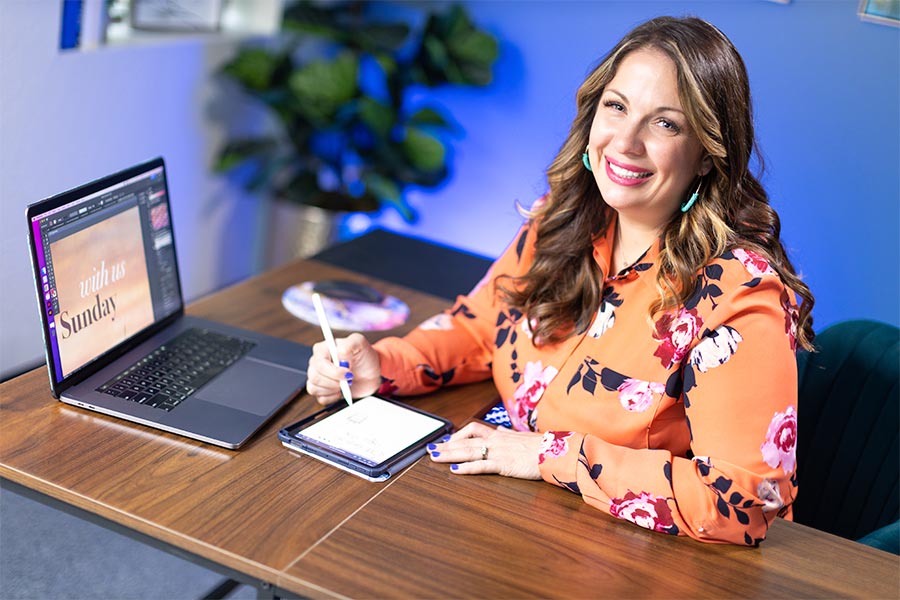
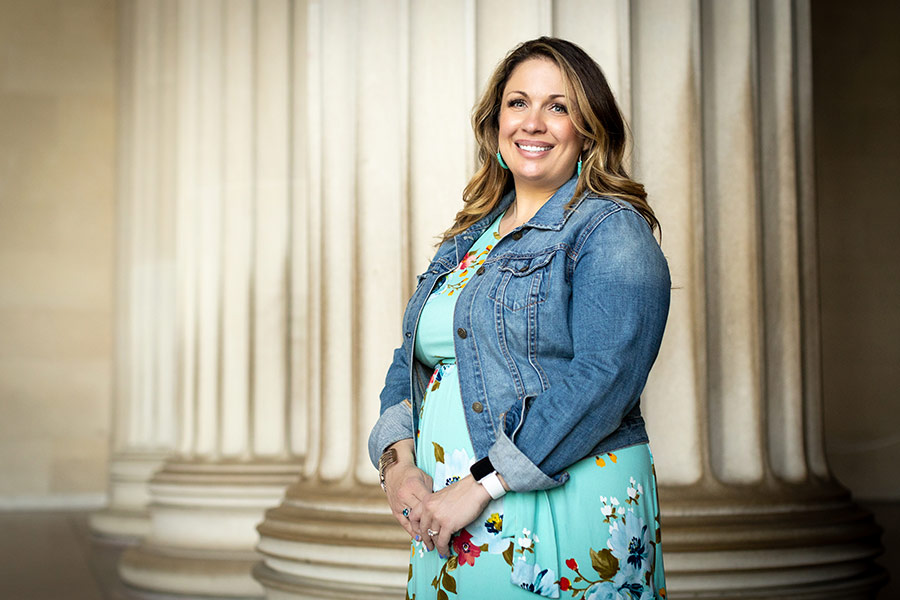
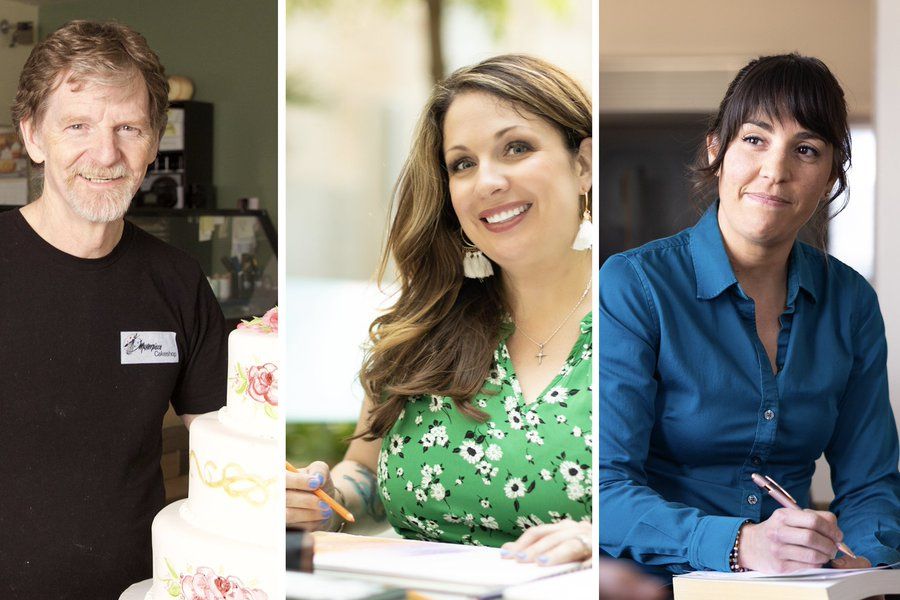
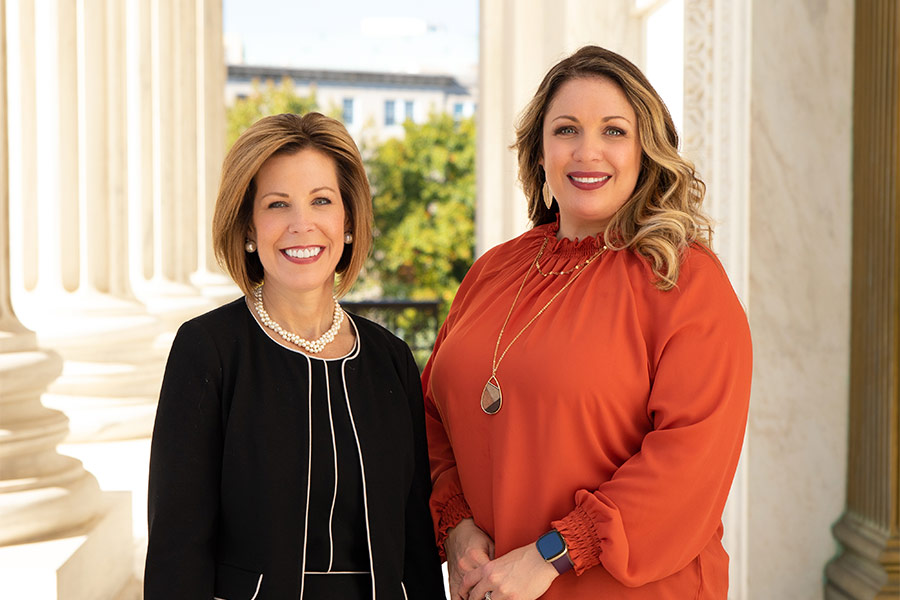
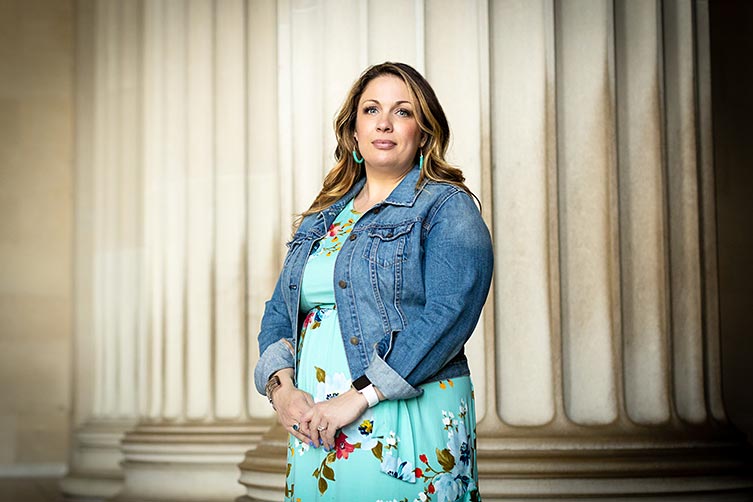
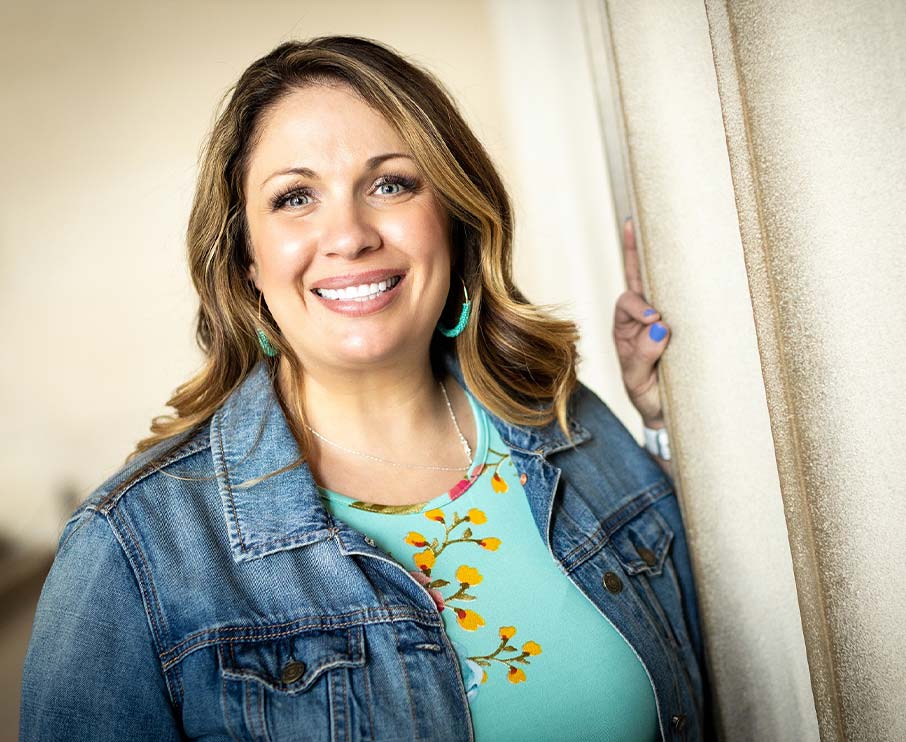
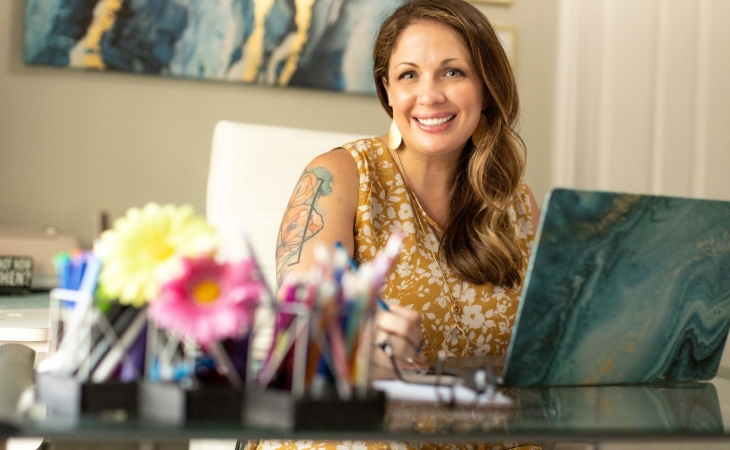
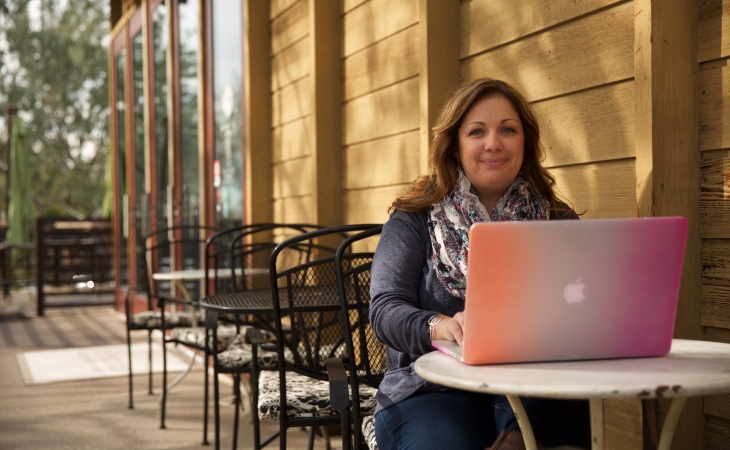
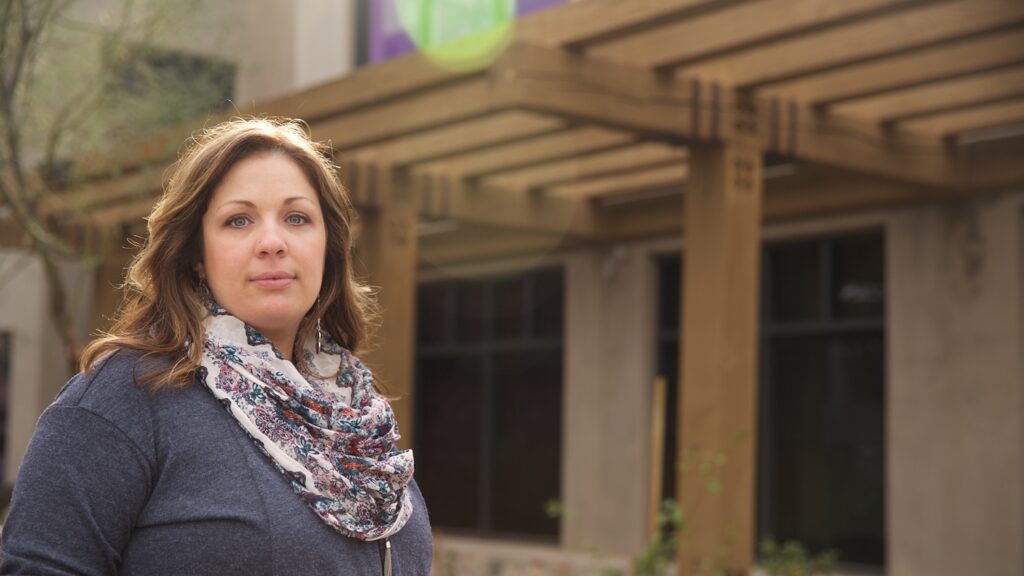
Lorie Smith is an artist who runs her own design studio, 303 Creative. She specializes in graphic and website design and loves to visually convey messages in every site she creates. Lorie started her own small business in 2012 so she could promote causes consistent with her beliefs and close to her heart, such as supporting children with disabilities, the beauty of marriage, overseas missions, animal shelters, and veterans. She was excited to expand her portfolio to create custom websites that celebrate marriage between a man and a woman, but Colorado made clear she wasn’t welcome in that space. A Colorado law censored what Lorie wanted to say and required her to create designs that violate her beliefs about marriage. Lorie works with people from all walks of life, including those who identify as LGBT. Lorie’s decisions about which projects to design are always based on what message she’s being asked to express, never who requests it. After realizing that Colorado was censoring her—and seeing Colorado use this same law to punish Masterpiece Cakeshop owner Jack Phillips—Lorie challenged the law to protect free speech.
Thankfully, the U.S. Supreme Court ruled in favor of free speech for all Americans, holding that Colorado cannot punish Lorie for creating art consistent with her beliefs. This is a win for all Americans because every American should be free to say what they believe without fear of government punishment.
Case timeline
- September 2016: ADF attorneys filed a lawsuit on Lorie’s behalf challenging Colorado’s law in federal court. Nearly three years later, a judge ruled that Colorado officials can force Lorie to design and publish custom websites promoting messages that conflict with her beliefs.
- October 2019: Lorie appealed to the 10th Circuit, asking it to reverse the lower court’s decision. And in November 2020, the 10th Circuit heard her case.
- July 2021: The 10th Circuit issued an unprecedented ruling in Lorie’s case, upholding the Colorado law that Colorado officials are using to violate Lorie’s free speech and require her to say things she doesn’t believe.
- September 2021: Lorie asked the Supreme Court to take up her case and reverse the 10th Circuit’s ruling to protect her First Amendment rights.
- February 2022: The Supreme Court announced that it would hear Lorie’s case.
- May 2022: ADF attorneys filed their opening brief with the Supreme Court.
- June 2022: A diverse group including artists, publishers, LGBT-advocacy organizations, legal scholars, and 20 states submitted friend-of-the-court briefs to the Supreme Court asking it to uphold free speech for Lorie and all Americans.
- December 2022: ADF CEO, President, and General Counsel Kristen Waggoner represented Lorie during oral argument at the Supreme Court.
- June 2023: The Supreme Court ruled in Lorie’s favor, reaffirming that the government can’t force Americans to say things they don’t believe. The Court reiterated that it’s unconstitutional for the state to eliminate from the public square ideas it dislikes, including the belief that marriage is the union of husband and wife.
Meet Our Client
Lorie Smith’s Story
Learn About the Case



.jpg)



Case Profiles
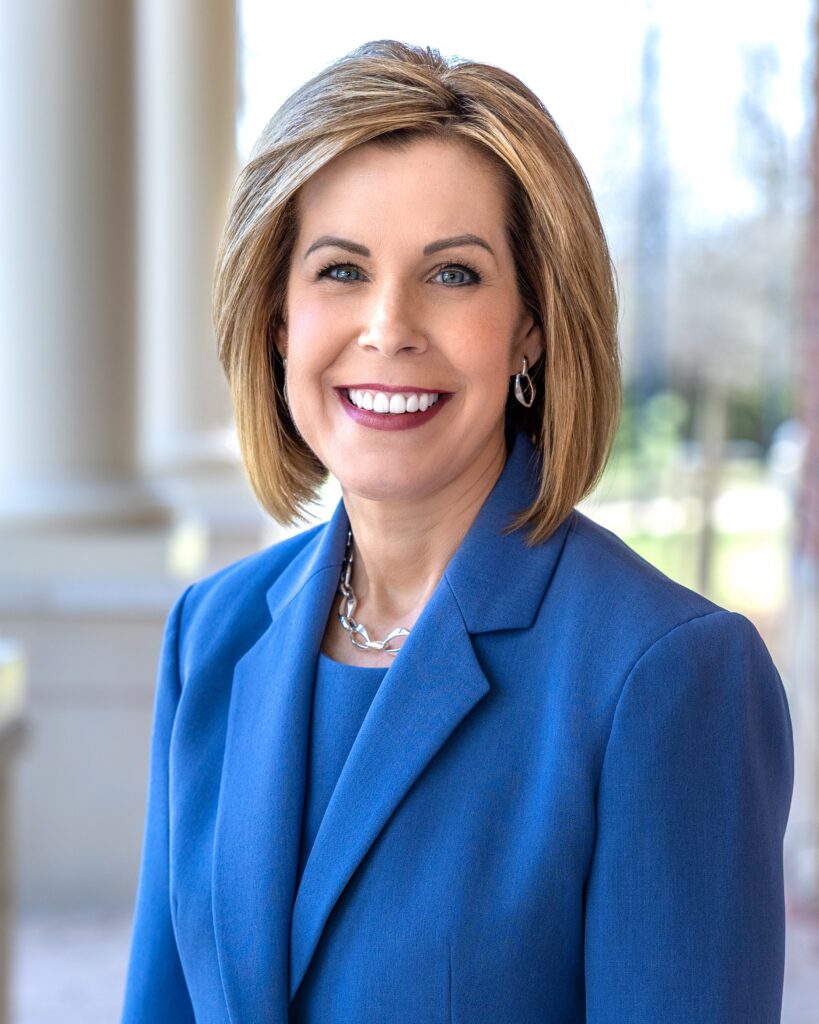
Kristen Waggoner
CEO, President, and Chief Counsel
View Profile
Kate Anderson
Senior Counsel and Director, Center for Parental Rights
View Profile

Jonathan Scruggs
Senior Counsel, Vice President of Litigation Strategy
View Profile
John Bursch
Senior Counsel, Vice President of Appellate Advocacy
View Profile
Commentary
There is no ‘horseshoes and hand grenades’ exception in the First Amendment and latest SCOTUS case proves it | Fox News
Jonathan Scruggs
December 13, 2023
After Landmark SCOTUS Ruling On Free Speech, More Artists Ask For Help In The Fight
Bryan Neihart
November 03, 2023
What about coerced pronouns?
Christiana Kiefer
July 19, 2023
We Were Lorie Smith
Kristen Waggoner and Erin Hawley
July 12, 2023
The smearing of Lorie Smith
The smearing of Lorie Smith
July 11, 2023
Web Designer’s Free Speech Supreme Court Victory Is a Win for All
Kristen Waggoner
July 10, 2023
The Supreme Court at its best
Erin Hawley
July 10, 2023
303 Creative v. Elenis Is a Win for Everyone | Ricochet
Lathan Watts
July 07, 2023
I won my fight for free speech at the Supreme Court, but it’s a victory for all of us | Fox News
Lorie Smith
July 07, 2023
Resounding Victory for Free Speech in 303 Creative Case | The Epoch Times
Kristen Waggoner
July 06, 2023
The Supreme Court Chose Freedom Over Fear. Our Country Should, Too | Opinion – Newsweek
Jonathan Scruggs
July 03, 2023
My Win at the Supreme Court Is a Win for All Americans | RealClearReligion
Lorie Smith
July 03, 2023
Supreme Court’s free speech decision affirms Constitution’s deep magic – Washington Examiner
Tyson Langhofer
July 01, 2023
Supreme Court ruling in 303 Creative v. Elenis is a win for free speech
Jake Warner
June 30, 2023
Web designer’s victory at Supreme Court is free speech win for all
Kristen Waggoner and Erin Hawley
June 30, 2023
Supreme Court affirms free speech as glue that binds us, even when we disagree
David Cortman
June 30, 2023
The state’s authority does not extend to the human mind | WORLD
Kristen Waggoner
June 30, 2023
The Supreme Court issues a superb free-speech decision — literally
Bryan Neihart
June 30, 2023
The Supreme Court Has a Chance To Protect Free Speech for All | Opinion – Newsweek
Kristen Waggoner
February 03, 2023
Graphic Artist’s Case At Supreme Court Is About Freedom, Not Discrimination – Issues & Insights
Erin Hawley
January 17, 2023
Supreme Court Case Underscores How Vital the Bill of Rights Is to American Liberties
David Cortman
December 15, 2022
Compelled speech is not free speech | WORLD
Erin Hawley
December 08, 2022
Will the Supreme Court uphold freedom of speech? | WORLD
Kristen Waggoner
December 05, 2022
Why I’m asking the Supreme Court to affirm my free speech, and yours too
Lorie Smith
December 04, 2022
For Artists, The First Amendment Protects The Right Not To Speak
Erin Hawley
December 02, 2022
I will tell Supreme Court speech must be kept free, that you don’t lose your rights when you start work | Fox News
Kristen Waggoner
December 02, 2022
Win for Web Designer at High Court Would Be Win for Free Speech for All
Lathan Watts
November 30, 2022
Our veterans provide the ultimate example of why we must defend freedom – Washington Examiner
Kristen Waggoner
November 12, 2022
Supreme Court to decide same-sex wedding design, First Amendment case
Lorie Smith and Jack Phillips
October 05, 2022
Opinion: Colorado’s defense in Supreme Court case underscores attack on free speech – The Denver Post
Jonathan Scruggs
September 29, 2022
Constitution Day Is an Opportunity to Consider Our Founding Charter’s Necessity—and the Threats to It
Lathan Watts
September 16, 2022
As my case heads to the Supreme Court, I am choosing to embrace a legacy of freedom
Lorie Smith
June 04, 2022
Why my case could pick up where Masterpiece Cakeshop left off
Lorie Smith
June 03, 2022
We Need To Talk About Bruno. . . And Free Speech
Jake Warner
April 19, 2022
Supreme Court to decide whether the state can override your freedom to choose what you say
Kristen Waggoner
March 05, 2022
Here’s what’s at stake in the Supreme Court artistic freedom case
Bryan Neihart
February 24, 2022
Colorado crushes a Christian’s conscience
Kristen Waggoner
January 18, 2022
A case that could bring great clarity to religious jurisprudence
Jonathan Scruggs
January 14, 2022
The Supreme Court’s chance to uphold artistic freedom
Jonathan Scruggs
January 07, 2022
On International Artist Day, Many Find Creativity Subject to Constraint
Jonathan Scruggs
October 21, 2021
Monopolizing the marketplace of ideas
Jonathan Scruggs
September 27, 2021
10th Circuit Court Rules Against Religious Liberty for Artists Like Me | RealClearReligion
Lorie Smith
September 24, 2021
Court ruling puts freedom of speech on the chopping block
Jonathan Scruggs
September 15, 2021
Lorie loves all things creative but Colorado wants to censor her
Jessica Smith
November 07, 2019
Lorie loves all things creative but Colorado wants to censor her
Joanna Duka and Breanna Koski
November 07, 2019
State’s civil rights regulators once again crack down on artistic freedom
Kate Anderson
November 05, 2019
My appeal for artistic freedom isn’t just for me, but for each of my competitors, too
Lorie Smith
November 03, 2019